Zoetis Recycling Programme VetSouth

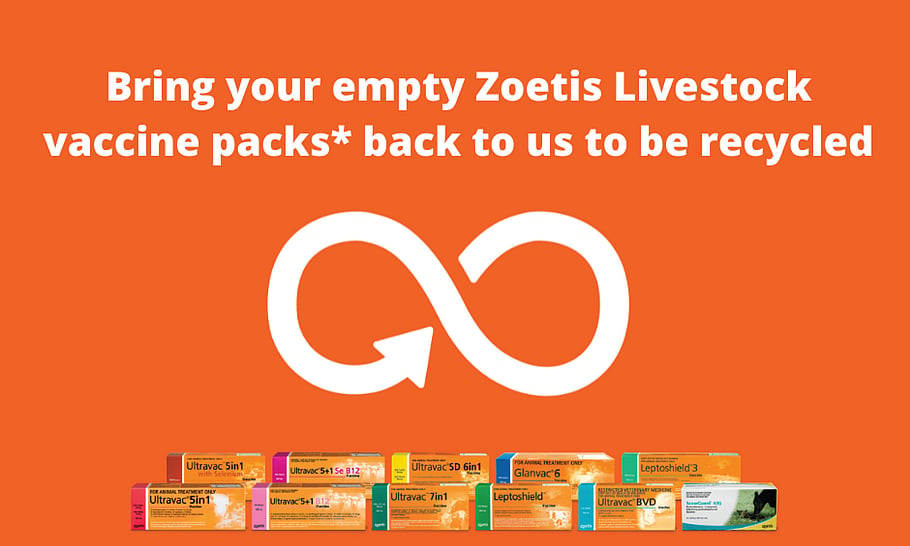
VetSouth are proud to be part of the Zoetis Recycling Programme, providing recycling options for our farmers in Gore, Tapanui and Winton. Farmers can return Zoetis livestock vaccine packs, and Teatseal tubes and buckets, to your local VetSouth clinic. Plasback will then collect the waste and and recycle it into FuturePost Fence posts, or reusable plant trays.
What products can be recycled?

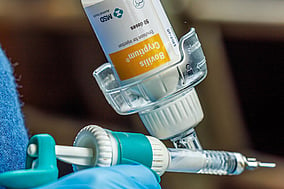
The following Zoetis packs can be recycled:

Teatseal tubes and buckets are also recyclable. Teatwipes are home compostable and marine biodegradable.

Where and when can I drop off my vaccine packaging?

You can drop off your Zoetis packs at our Gore, Tapanui or Winton clinic during opening hours. Find your nearest clinic here.

What about the stoppers or string on the vaccine pack– do these need to be removed?

Yes, stoppers and any string on the vaccine pack will need to be removed. The product must be clean and free from mud/blood.

Does this cost anything?

No, this is fully funded by Zoetis.

What happens to the recycled plastic?

Empty plastic packaging will be collected by Plasback, an accredited product stewardship scheme provider. Plastic packaging will be recycled into new FuturePost fenceposts, or reusable plant trays.

FURTHER READING

Latest news
What to do with high cell count cows?

A high somatic cell count is a strong indicator of subclinical mastitis. Typically when you think of mastitis, you think of clotty milk, inflamed udders, and sick cows, but subclinical mastitis doesnRead more

FEC testing calves before drenching

Responsible drenching is becoming widely talked about. As an industry we need to shift towards only drenching calves when they need it. This saves on money (less product used) and time (fewer hoursRead more

Passive transfer results from calving time

We had a few of our farms do passive transfer (PT) testing on their calves this season. PT testing checks for absorption of immunoglobulin from colostrum, and therefore the passage of immunityRead more

Careful with pets and Christmas treats

Christmas treats are something we all look forward to, but for our furry friends, some of these can be extremely toxic, so it is important to keep them out of reach. If you have a pet with a penchantRead more

Caring for pets over the holidays

The Christmas holidays are fast approaching. If you are heading away, now is a good time to start thinking about what plans you need to make for your pets.   Will you leave them at home and getRead more

A lame cow is a cow in pain

A lame cow eats less, which means she then produces less, and she’ll be more likely to struggle getting in calf. Good prevention and early action when you do have a case saves you time and money, aRead more

The benefits of heat detecting before mating

Pre-mating heat detection has several benefits – and they make up for the amount of tail paint used! By observing and recording your cows’ heats before the start of mating, you can make moreRead more

Preparing for reproduction

There are a lot of ways to try to optimise your cows getting back in-calf as quickly as possible.  Firstly, make sure your herd is on a rising plane of nutrition. For a nutritional consultation, getRead more

Trace elements: Are your results normal?

Our advice as vets is to check your stock’s trace element levels before mating, even if your mineral supplementation hasn’t changed or you tested cull cows at dry off.  Unfortunately each seasonRead more

Keeping your pets safe and calm during fireworks

Fireworks can be a beautiful sight, but they can also be stressful for our pets. Here are some simple, practical tips to help keep your animals safe, comfortable, and calm as possible during fireworkRead more

Understanding ear infections in dogs 

The most frequent type of ear infection canines experience is called otitis externa, which simply means inflammation of the outer ear canal. While dogs with floppy or hairy ears (think cockerRead more

Why is my pet so itchy?

Itching, also called pruritus, is a sensation that makes your dog or cat want to scratch, rub, lick, or chew their skin. While occasional scratching can be normal, persistent or severe itching oftenRead more